


New York City apartments are not interchangeable. A 1920s co-op on the Upper West Side has almost nothing in common with a 1970s high-rise in Flushing or a converted brownstone in Bed-Stuy. The building type, surface materials, ventilation, pest exposure, and even the air quality outside the windows vary so much across the five boroughs that a single cleaning approach doesn't serve all of them equally well.
After years of cleaning apartments across Manhattan, Brooklyn, and Queens, we've mapped out the specific variables that change by neighborhood — and what those variables mean for how your apartment should be cleaned.
Manhattan is dominated by pre-war construction, particularly in neighborhoods like the Upper West Side, Upper East Side, the West Village, Gramercy, and Harlem. Pre-war buildings present specific cleaning challenges that newer construction doesn't.
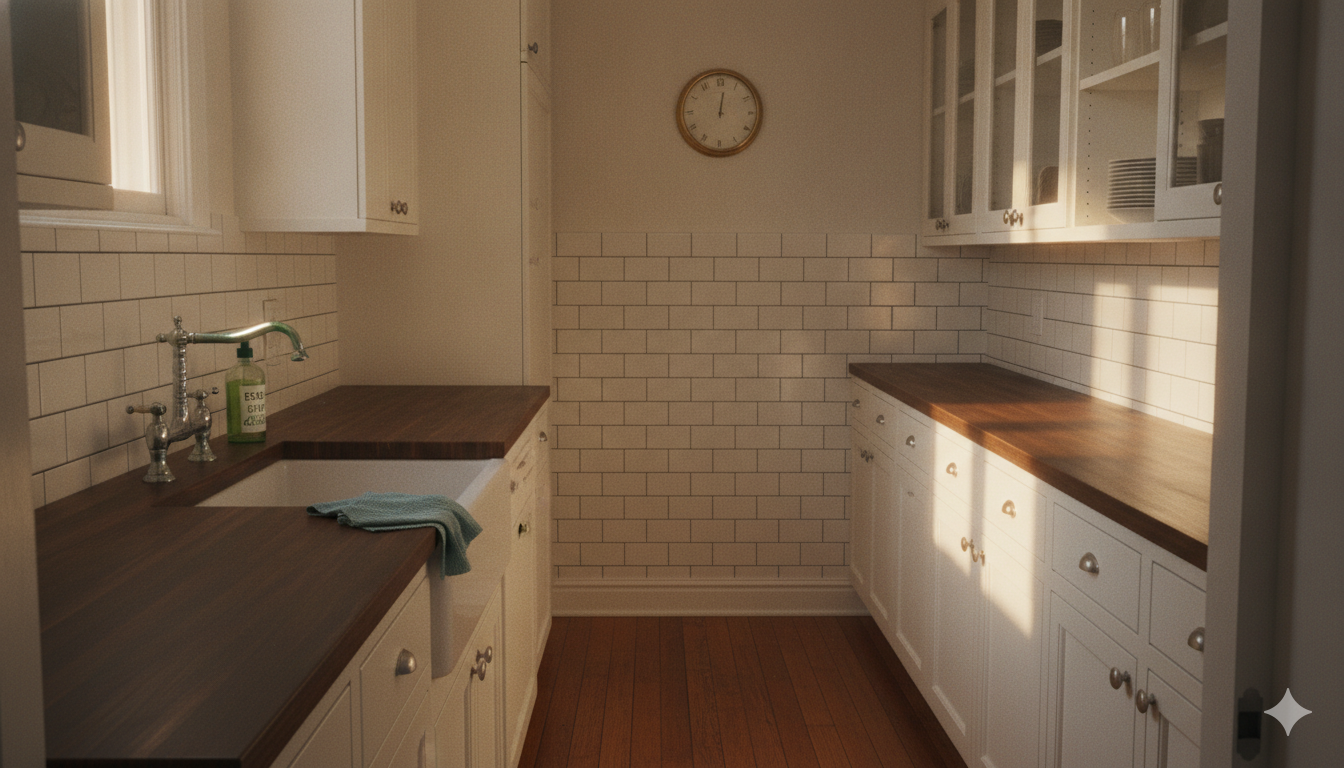
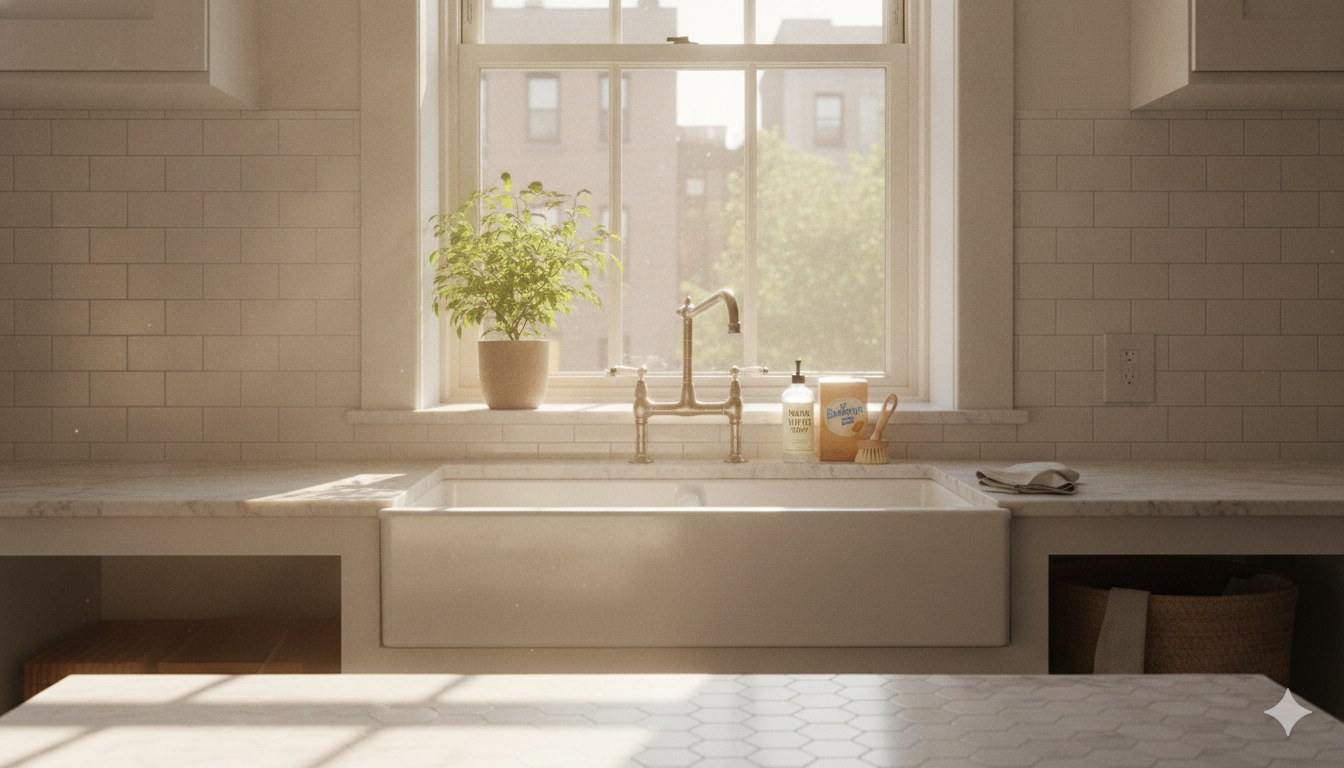
Marble is common in Manhattan bathrooms and kitchens — on floors, countertops, and shower surrounds. Marble is acid-sensitive: vinegar, lemon, and most conventional bathroom cleaners will etch the surface permanently. Pre-war hardwood floors are often oil-finished rather than polyurethane-coated, meaning steam mops and wet mopping will damage them. Original subway tile and penny tile have deep grout lines that collect grime and require specific brush sizes to clean properly.
Manhattan apartments also tend to have steam radiators, which collect dust on their fins and release it when the heat turns on. Quarterly radiator cleaning — wiping fins with a damp cloth and vacuuming the area around the base — makes a measurable difference in air quality.
Brooklyn's housing stock is heavily brownstone: garden-level and parlor-floor apartments in Park Slope, Carroll Gardens, Cobble Hill, Fort Greene, and Crown Heights. These buildings share a common challenge that Manhattan high-rises mostly don't: ground-level moisture.
Garden apartments sit at or below grade, which means higher humidity, more mold-prone bathrooms, and a greater likelihood of damp basement smells migrating upward. Cleaning a Brooklyn garden apartment requires more attention to mold prevention — bathroom ventilation, dehumidifier use in summer, and regular inspection of closet back walls and under-sink areas.
Brownstone parlor floors often have original wide-plank pine or oak floors that require gentle, pH-neutral cleaners and minimal moisture. High ceilings (10-12 feet) mean ceiling fans and light fixtures accumulate dust that's invisible from floor level but releases every time the air moves. A step-stool sweep of ceiling fixtures is worth including in any thorough cleaning.
Newer Brooklyn neighborhoods — Williamsburg, Greenpoint, DUMBO — have more contemporary loft conversions and luxury high-rises with polished concrete floors, stainless steel surfaces, and large windows facing industrial or waterfront areas. These need less delicacy but more attention to industrial dust and fingerprint management.
Queens has the highest concentration of large residential high-rises in New York City — Long Island City, Astoria, Jackson Heights, and Flushing all have substantial post-war and contemporary tower stock. High-rise apartments above the 10th floor have better air quality than ground-level units but face different challenges.
Window condensation is a significant issue in Queens high-rises, particularly in units with eastern or western exposures. Condensation on window frames and tracks feeds mold growth that's often overlooked until it's visible. Monthly window track cleaning and keeping humidity below 50% with an AC or dehumidifier prevents most of it.
Flushing and Jackson Heights have high foot-traffic street environments with significant particulate pollution from nearby commercial corridors. Apartments near these areas benefit from more frequent floor cleaning and HEPA vacuuming, as particulates settle on surfaces faster than in quieter residential blocks.
Despite the differences, a few things are constant across all New York City apartments. Vertical surfaces accumulate more grime than in lower-density cities because more people and vehicles pass through. Kitchen surfaces grease faster due to smaller cooking spaces and less ventilation than suburban homes. Bathrooms are universally small and under-ventilated, making mold prevention a year-round maintenance task rather than a seasonal one.
The other constant is that the best cleaning for any NYC apartment is surface-specific, not product-generic. A team that knows the difference between marble and porcelain, pine and polyurethane, tile and limestone is worth more than one armed with powerful products applied without discrimination.
Everneat cleans apartments across Manhattan, Brooklyn, and Queens with borough-specific protocols built into every visit. Whether your building is a pre-war co-op on West End Avenue, a garden apartment in Park Slope, or a high-rise in Long Island City, our teams are trained on the specific surface types and environmental factors that matter in your building type.
To learn more about what a properly matched cleaning service looks like for your apartment, see how Everneat approaches residential cleaning or browse vetted cleaning options on Neatlist.


-01.png)


